
4 ways to get motivated and return to working out

You don’t have to wait for motivation to return before working out again. These four practical gym motivation tips can help you get moving: arrange a workout with a friend, get your clothes ready, set a small, achievable goal or try a group class. Choose the easiest step for today, then build from there.
After time away, restarting can feel harder than the workout itself. You might be unsure where to begin or worry that you’ve lost your routine. That’s normal, and you don’t need to make up for missed sessions all at once. A friendly plan and manageable first steps can make exercise more enjoyable and easier to repeat.
Explore four ways to ease back into working out, from sharing a session with someone to finding encouragement in a group class. You’ll also learn how to set a realistic first goal, so progress feels within reach and your routine can take shape at a pace that suits you.
Table of Contents
1. Exercise with a friend for fun and accountability
Make your first workout easier to look forward to by inviting a friend. Exercise is more likely to become part of daily life when it feels enjoyable, and accountability is among the top five predictors of sticking with a fitness routine. Choose an activity you both like, such as a brisk walk, a gym session or tennis. Agree on a day and time, then put it in your diaries. A friendly plan gives you a reason to show up, even when motivation dips.
To ease gym anxiety, arrange to meet your friend at the entrance and decide beforehand what you’ll do. A simple plan, such as walking on a treadmill or trying a familiar exercise, can make your first visit feel more manageable. If busy spaces feel uncomfortable, choose a quieter time or start with an outdoor activity. Focus on your reason for returning, whether that’s having more energy, enjoying movement or working towards a personal goal.
A workout partner can make exercise more enjoyable, help you stick to plans and notice progress you might overlook. A personal trainer can add structure by helping shape sessions around your experience and goals. Either way, choose someone who encourages steady effort rather than pressuring you to lift heavier or exercise for longer. If your friend prefers cycling and you enjoy walking, take turns choosing activities so you both stay engaged.
Build a consistent routine by choosing a repeatable time, such as a morning walk before work, and keeping your first session simple. You don’t need to achieve everything in one workout. Start with an activity you enjoy, then gradually increase the challenge as it feels comfortable. To avoid burnout, leave room for rest and choose a manageable pace. Stop if you feel pain rather than pushing through it. A useful first step is to message a friend today with an activity you’d both enjoy. A shared plan and a personal reason to exercise can make it feel like something you want to return to, not another obligation.
2. Get ready in workout clothes to encourage action
Make starting easier by preparing your clothes and gym kit before your session. Pack your trainers, comfortable workout clothes, water bottle and personal essentials the night before. Leave the bag by the front door, or beside your work bag if you’re exercising after work. When you’ve already made the decision, fewer small tasks stand between you and your workout. Choose clothes that feel comfortable for the activity, rather than waiting for the perfect outfit.
Set up your workout environment to reduce avoidable delays. Decide which activity you’ll do, and note a backup exercise in case your chosen machine is occupied. For example, if the treadmill is busy, you could walk outdoors or use another piece of equipment you already know. If you have little time, schedule a 30-minute workout and choose a simple plan before you arrive. Short on time? A five- or ten-minute session can be a manageable way to begin when a longer workout feels difficult.
Music can make a session feel more enjoyable. Create a playlist that matches the pace of your activity, so you can press play instead of choosing songs between exercises. A tempo of around 120-140 BPM suits strength training, whilst 60-100 BPM can support slower yoga or stretching movements. Try different music and adjust your playlist to the workout you’ve planned.
Plan food around your energy and timing. A balanced meal with carbohydrates, protein and healthy fats can help fuel exercise; if you need a snack beforehand, try fruit, nuts or yoghurt. Avoid a heavy meal just before training if it leaves you feeling sluggish. These gym motivation tips are particularly useful when time is tight: prepare your kit, choose a short session and remove one obstacle before the day begins. Simple steps can help you fit exercise around work, travel and other daily commitments, such as preparing for competitive exams with Reasoning Tests Online.
3. Setting clear and attainable fitness goals
Give each workout a clear purpose. Instead of aiming to “get fitter”, choose an action you can schedule and repeat, such as walking briskly after work or practising strength exercises. Make your fitness goal specific, measurable, achievable, realistic and time-bound. For example, plan to attend the gym three times a week for the next two months. A clear routine gives you something to follow and helps you stay accountable without expecting instant progress.
Break a longer ambition into milestones. If you want to complete a 5K, begin with a comfortable walk-and-jog session, then gradually increase the distance you run. A 10K goal can follow the same approach, with smaller targets marking your progress. Set a time frame that fits your current routine, and adjust the steps if work, family commitments or recovery affect your plans. For example, healthcare students balancing intensive pharmacology revision via pharmedu.com often find that breaking both study and fitness goals into smaller blocks keeps progress sustainable. Each completed milestone gives you a reason to remember how far you’ve come.
Track more than one measure of fitness. Record your sessions in a diary or phone calendar, and note how long you exercise or how an activity feels. You can also log your weight and body measurements monthly, if those measures suit your goals. If building muscle is your focus, record the exercises and weights you use. Compare your entries over time rather than judging progress by a single workout.
To set realistic gym goals and track progress, choose a repeatable action, set a time frame and record each session. Keep the goal within reach, then increase the challenge as your fitness develops. A short mantra can help you take action on low-motivation days: “I’m building strength, one session at a time.” Make it personal, such as “I work out to feel stronger” or “I’m proud when I keep my promise to myself”. Review your notes regularly and celebrate effort as well as results. A completed session counts, even when it wasn’t your strongest.
4. Training with friends or in group classes
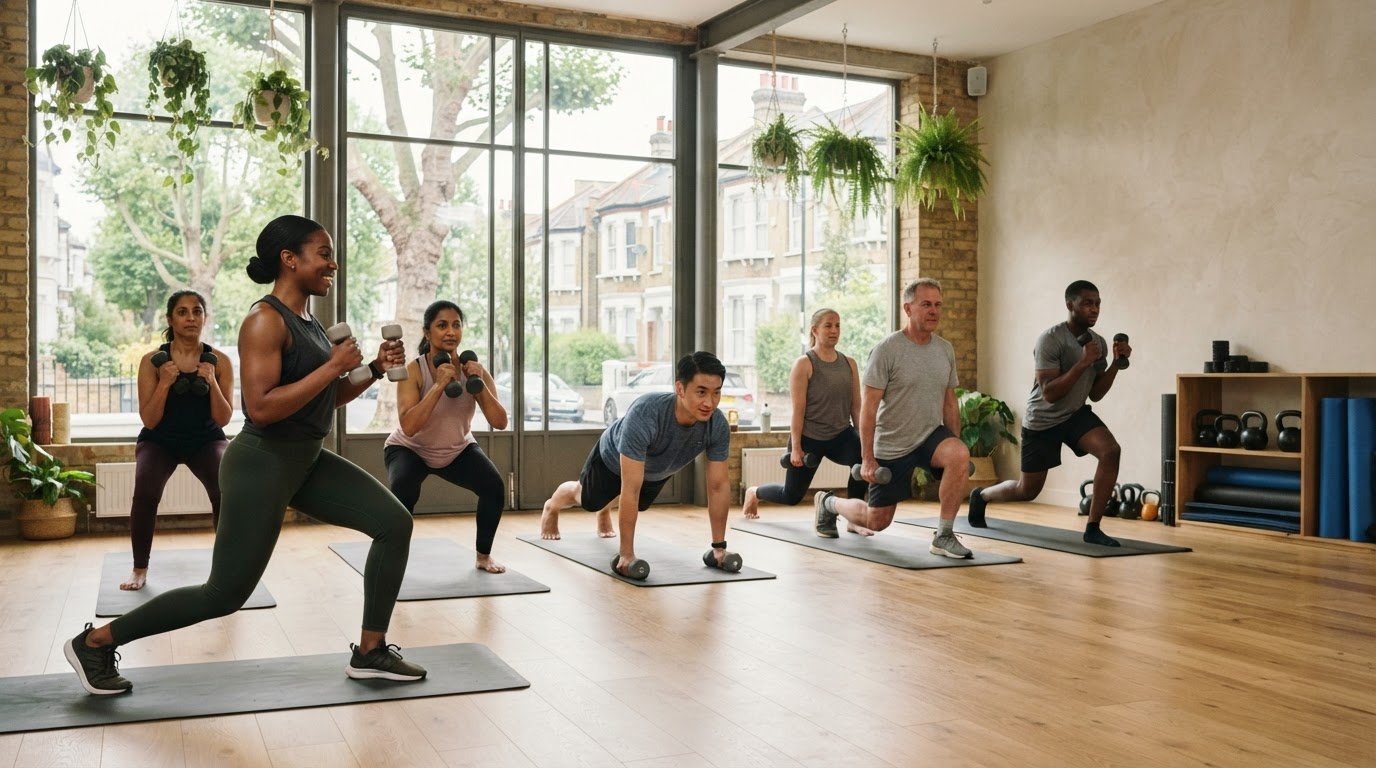
Training with other people can turn a solo plan into a shared commitment. A friend can help you get through the door, while a group class gives your session structure and a set time to move. Choose a format that feels comfortable: meet one person for a walk, try a beginner-friendly class or invite friends to follow the same simple workout. The aim is encouragement, not comparison. Everyone can work at their own pace and build strength steadily.
Make the social side practical. Agree on a regular day, decide where you’ll meet and choose an activity you both enjoy. If one person misses a session, keep the plan kind and easy to restart instead of treating it as a failure. In a class, arrive with time to settle in and let the instructor know if you’re new. Knowing what to expect can make joining in feel less daunting, especially when you’re returning after a break.
A group can also add a friendly challenge. For example, set a shared goal to attend a class regularly or complete a walking route together, then celebrate each session. Keep the target focused on showing up and moving, rather than matching someone else’s pace or ability. If you’re working out with a friend, take turns choosing the activity. One week could be a brisk walk; the next, a strength session or a class with music and movement.
Try this approach: choose one group activity, invite someone supportive and agree your first session before the week begins. Afterward, notice whether the company helped you enjoy the workout or feel more accountable. If it did, keep the arrangement; if not, try a different group or activity. Shared training works best when it feels welcoming and suits your preferences. Find a more social way to work out and choose a first step that feels achievable.
Gym n Go Forest Hill: Flexible Gym Memberships
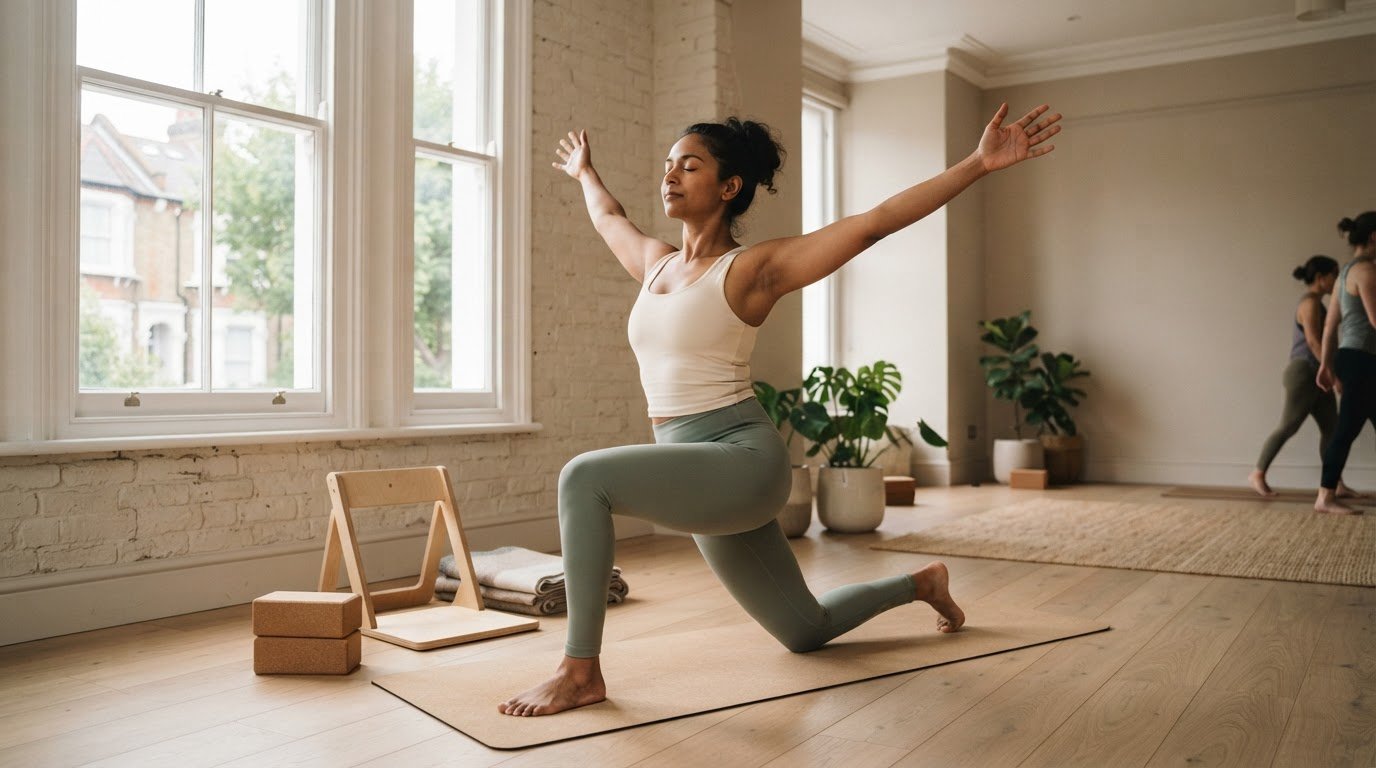
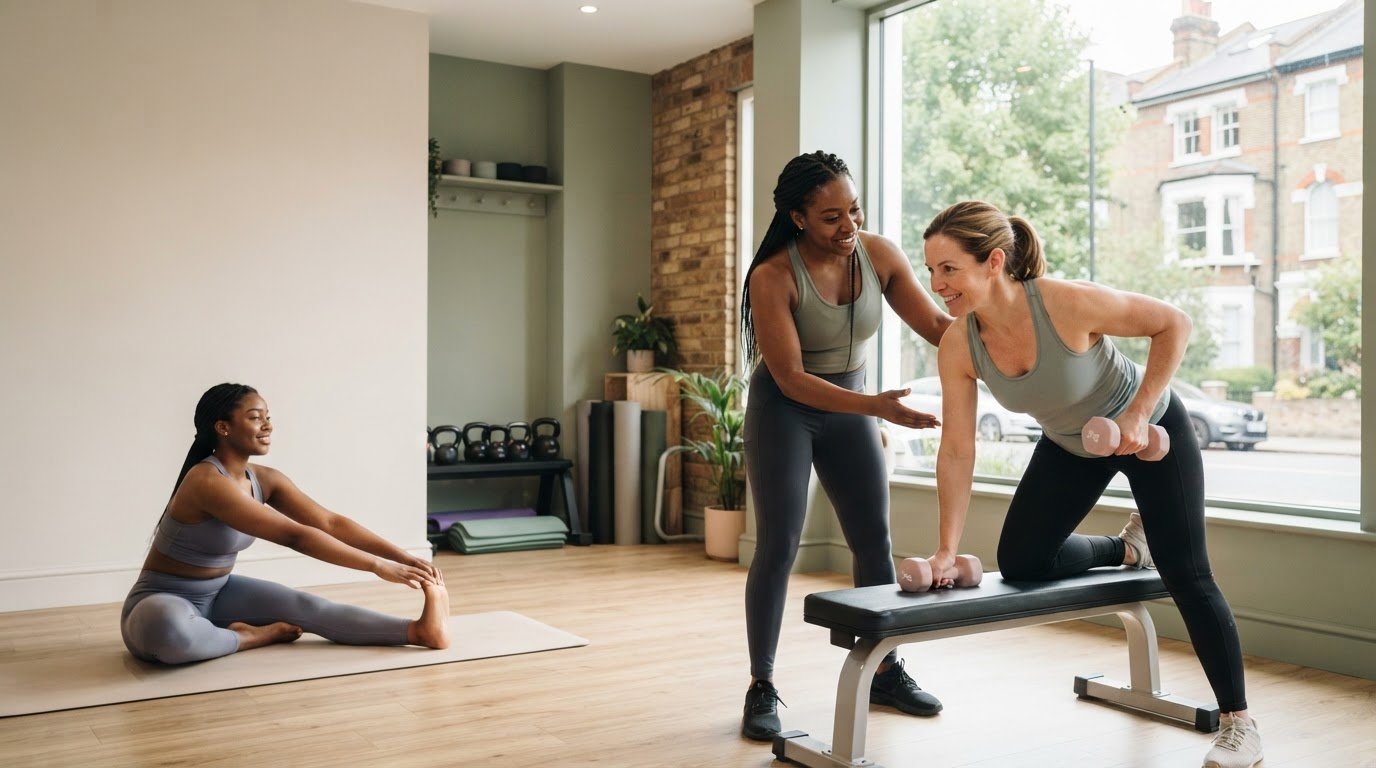
Gym n Go Forest Hill offers flexible gym memberships for people ready to build exercise into their routine. If you’d benefit from extra guidance, personal training can help you work towards your fitness goals with a plan tailored to you. Yoga and Pilates classes offer another way to return to movement, while group classes such as HIIT, spin, Zumba and boxing bring a shared, structured feel to your session.
Choose the kind of support that suits your next step. You might start with a class to make training more social, or explore personal training if you’d prefer individual guidance. Flexible membership options can suit changing routines, helping you find an approach that feels manageable rather than all-or-nothing.
For a welcoming place to get moving again in Forest Hill, visit gymngo.co.uk and explore what could work for you.
Make your next step feel like yours
A routine is easier to return to when it fits the life you have now, not an ideal version of your week. Treat your first session as a fresh start. Notice what makes you feel welcome, what kind of movement you enjoy and what support helps you keep going. Those details can guide your choices as your confidence grows. These gym motivation tips work best when you adapt them to your own pace and priorities.
If a supportive setting would help you restart, Gym n Go Forest Hill offers flexible gym memberships, Yoga & Pilates Classes and Personal Training. Choose the kind of guidance or movement that feels right for your next step, then build from there. Contact Gym n Go Forest Hill to explore your options and take that first step. A steady return begins with one choice you can feel good about making.
Frequently Asked Questions
How do I get back into working out after time off?
Return by choosing a familiar activity and treating your first session as a chance to reconnect with it. Pick a time that doesn’t compete with your busiest commitments, and decide beforehand how you’ll get there. Afterwards, note what felt comfortable and what you’d change next time. A brief review helps you restart with useful information instead of judging yourself against your previous routine.
How do I stay motivated at the gym long-term?
Make exercise part of a routine you can adapt when life changes. Keep a regular time in your diary, but have an alternative for days when your usual plan isn’t practical. For example, swap a gym visit for a walk near home. Notice what keeps you coming back, such as enjoying a particular activity or having a clear reason to train, then build your routine around it.
How do you get motivated to work out?
Focus on the first action, not the entire workout. Decide what you’ll do when you arrive, such as walking to the gym or beginning with a familiar warm-up. Linking that action to an existing daily cue, such as finishing work, can make the transition easier. Once you’ve started moving, you can decide whether to continue with the session you planned.
Is it normal to have days with no motivation?
Yes, motivation can vary from day to day, and one low-energy day doesn’t erase the effort you’ve already made. Consider whether you’re simply not in the mood or genuinely need recovery. If you feel well but reluctant, try a gentler activity or a change of setting. If you need a rest, take it without letting one missed session become a reason to abandon your routine.
What are some science-backed tips for getting motivated?
Find movement you enjoy and add social support. Research cited on exercise enjoyment suggests people are more likely to work out daily when they find exercise fun; accountability is also described as one of the top five predictors of sticking with a fitness routine. Habit formation varies, with positive habits taking between 18 and 254 days. Use these findings to choose an enjoyable activity and repeat it consistently.
What should I do if I lose motivation?
Work out what changed before deciding what to change next. If sessions feel repetitive, choose a different activity; if your timetable is the problem, move your workout to a more workable time of day. If you’re unsure what to do, write down a simple session plan. A short break can also help you reset. Return with one clear next step rather than waiting to feel fully motivated.
Comments